
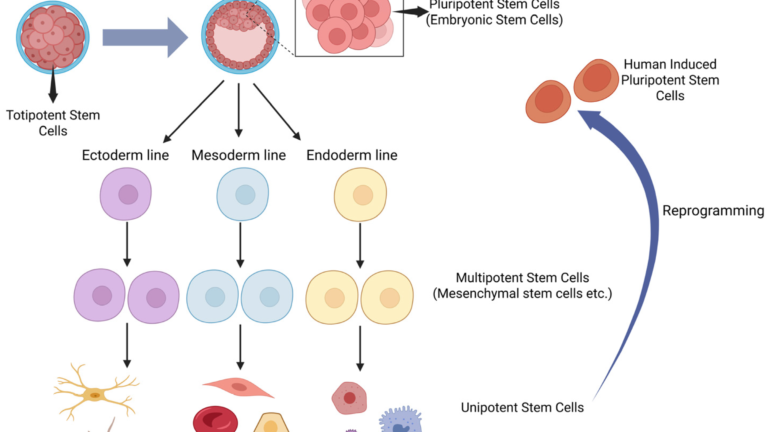
Spinal muscular atrophy is a severe genetic disease in which motor neurons are gradually damaged. Because of this, muscles become weaker, and it becomes difficult for a person to move, maintain posture, swallow, and breathe. Over the past few years, medicine has made major progress in the treatment of SMA, and today specialists increasingly discuss not only gene therapy but also stem cell treatment sma as one of the promising directions for restoring damaged tissues and supporting the nervous system. That is why the topic of stem cells generates significant interest among families searching for new ways to improve quality of life.
Why the Treatment of SMA Remains a Difficult Task
Even modern medications cannot always completely stop the consequences of the disease. The main problem is that some neurons may already die before therapy begins. The earlier treatment starts, the higher the chance of preserving motor activity.
People with SMA often face the following problems:
- weakness of the arm and leg muscles;
- breathing disorders;
- difficulties with eating;
- spinal curvature;
- rapid fatigue;
- limited independent movement.
Even with the use of modern medications, patients require constant rehabilitation, physiotherapy, and monitoring of the respiratory system. That is why scientists continue searching for methods that can not only slow down the disease but also help the body restore damaged cells.
How Stem Cells Work in SMA
Stem cells are considered a potential tool for supporting nervous tissue and reducing inflammatory processes. The main idea is that such cells can release biologically active substances that support neuron function.
Several directions are currently being studied:
- protection of remaining motor neurons;
- improvement of nerve signal transmission;
- reduction of tissue inflammation;
- support of muscle function;
- assistance in the body’s recovery processes.
It is important to understand that stem cell treatment is not yet considered a complete replacement for standard therapy. In most cases, it is viewed as an additional approach that may be used together with medications, rehabilitation, and physiotherapy.
What Results Research Shows
In recent years, several clinical studies dedicated to the use of stem cells for SMA have appeared worldwide. Some of them demonstrate positive changes, especially when combined with early therapy.
Among the results noted in studies:
- improvement of muscle tone;
- increased endurance;
- partial improvement of motor functions;
- reduction in the rate of condition deterioration;
- improvement in overall quality of life.
Despite this, the field continues to develop actively. The number of studies in the field of cell therapy for nervous system diseases has increased several times over the past 10 years, and investments in regenerative medicine continue to grow.
What Risks and Limitations Exist
Stem cell treatment remains a complex medical procedure that requires strict control. That is why it is important to contact only specialized clinics with licenses and confirmed research programs.
The main limitations are related to the following factors:
- lack of a universal treatment protocol;
- different results among patients;
- high cost of therapy;
- need for long-term monitoring;
- limited number of long-term studies.
It is also important to consider that SMA treatment almost always requires a comprehensive approach. Without rehabilitation, respiratory support, proper nutrition, and regular monitoring, achieving good results becomes much more difficult.
Stem cell treatment for SMA remains one of the most discussed areas of modern regenerative medicine. Although the method is still being studied and requires additional research, the results of recent years provide grounds for cautious optimism. The main thing is to understand that the success of therapy depends on early diagnosis, a comprehensive approach, and supervision by experienced specialists. Modern medicine already helps many patients live longer, more actively, and with a better quality of life than was possible just a few years ago.